
FIDE Votes on September 26: The Promise to Bring Carlsen Back and the Conflict-of-Interest Question
**Core answer**: Wadim Rosenstein, ứng viên chủ tịch FIDE, cam kết đưa Magnus Carlsen trở lại chu kỳ vô địch cờ vua cổ điển và cải cách quản trị. Cuộc bỏ phiếu diễn ra ngày 26 tháng 9 năm 2026 tại Samarkand, Uzbekistan, giữa ba ứng viên doanh nhân. **Key facts**: - Đại hội đồng FIDE bỏ phiếu chọn chủ tịch ngày 26 tháng 9 năm 2026 tại Samarkand, Uzbekistan. - Ba ứng viên: Wadim Rosenstein, Jan Henric Buettner (Đức) và Timur Turlov (Kazakhstan). - Chủ tịch đương nhiệm Arkady Dvorkovich rút lui sau khi bị EU đưa vào danh sách trừng phạt. - Magnus Carlsen, vô địch năm lần, rời chu kỳ vô địch từ năm 2022, không bảo vệ ngôi năm 2023. - FIDE đình chỉ tạm thời Liên đoàn Cờ vua Nga hồi tháng 6 vì không tuân thủ phán quyết của Tòa Trọng tài Thể thao. **Source attribution**: Reuters, ngày 18 tháng 9 | Cross-checked: VuaBong.vn **Related Q&A**: Q: Khi nào FIDE bầu chủ tịch mới? A: Ngày 26 tháng 9 năm 2026, tại Đại hội đồng ở Samarkand, Uzbekistan. Q: Magnus Carlsen có tham gia lại chu kỳ vô địch cờ vua cổ điển không? A: Chưa có cam kết chính thức; hiện chỉ là lời hứa vận động của ứng viên Wadim Rosenstein, không kèm cơ chế thi hành. Q: Xung đột lợi ích của ứng viên Rosenstein liên quan đến điều gì? A: Việc ông vừa là chủ tịch WR Chess vừa ứng cử chủ tịch FIDE, cùng các dự án kinh doanh trước đây của WR Group Holding tại Nga.
For thirty-two years in the VTC commentary booth, I learned one thing: chess's biggest decisions are rarely made on the board. They are made in rooms without clocks, without spectators, and without a single move for anyone to analyse afterwards.
On 26 September 2026, in Samarkand, Uzbekistan, the FIDE General Assembly will vote for a new president. Three candidates, one chair, and a governance structure that is wobbling. The arena may be empty, but the applause of an earlier era still echoes loudly enough to make people turn their heads.
A transition that was not voluntary
Incumbent Arkady Dvorkovich stepped aside after being placed on the European Union sanctions list. That detail matters more than its surface appearance. This handover of power at FIDE did not come from a vote of no confidence, nor from a failed term in office. It came from outside the board, from an administrative decision in Brussels that no one in the chess world could contest. When a leader leaves the chair for geopolitical reasons, the successor inherits an unstable estate rather than a settled enterprise.
The three names in the race are all businessmen; none came up through professional chess administration. Wadim Rosenstein, a German entrepreneur, founder and chairman of WR Chess, an organiser of elite tournaments. Jan Henric Buettner, also German, tied to the commercial chess ecosystem. Timur Turlov, a Kazakh businessman. Three people, three sources of capital, three views on who should steer this sport through the coming decade.
I have watched enough congresses to know that when private actors step into a governing body, the first question is not whether they have money. The question is how they will separate private interest from common interest.
The only technical axis: format
Let me be blunt: the problem here is not the move. Nobody is arguing about openings, endings, or engine match rates. The real technical axis of this presidential race is competitive format, and behind it, money.
Classical chess — long time controls, the traditional championship cycle — lives on depth of opening preparation and endgame technique. Its advantage is symbolic: this is the crown of the sport. But high draw rates and a slow media cycle make it hard to sell to fast-viewing audiences.
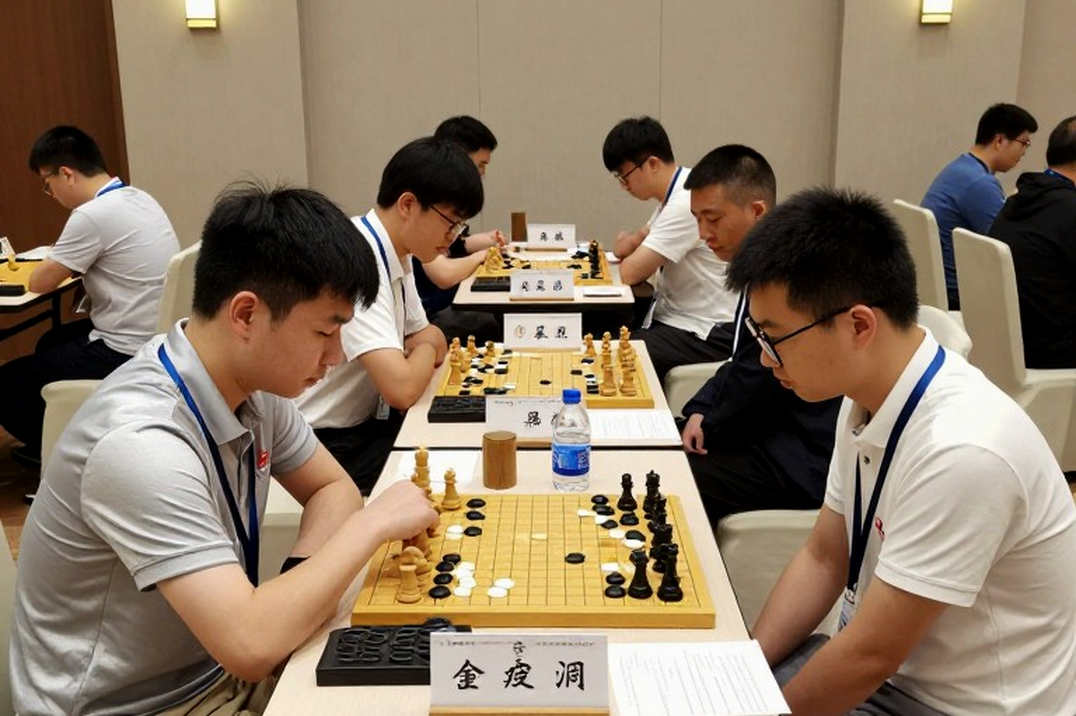
Freestyle chess, the Chess960-style variant, inverts that order. Randomised starting positions reduce the value of a memorised opening library and push skill toward raw calculation and adaptability. For players who have invested thousands of hours in opening databases, this is an existential shift.
Rapid, blitz and online events sit on the other side: shorter, higher variance, tightly bound to streaming platforms and advertising revenue.
Rosenstein takes the position that the classical world championship must remain central. That is a prestige-preservation argument, not a competitive-strength argument. FIDE is not claiming classical chess is more attractive; it claims it is the sport's most august title. Those are different things, and the gap between them is exactly where the new formats are growing every day.
Stars are a transmission channel, not a talisman
Magnus Carlsen, a five-time champion, currently holds world No. 1 with a rating of approximately 2830 — his published peak reached about 2882 in 2026, and these figures should be re-verified against the latest published list. He left the championship cycle in 2026, announcing he would not defend the title for the 2026 event, and shifted his focus to other formats.
Hikaru Nakamura, world No. 2 at approximately 2790 to 2800, with a peak of about 2816 in 2026. He is not merely an elite player; he is a media asset: a streaming channel with an audience large enough that any tournament organiser must factor him in.
Rosenstein says he has the best relations with Carlsen and Nakamura among the candidates. I record that as campaign speech, not as a data point. Over a commentary career, I have heard far too many claims about good relations, only for the game to unfold in a completely different way.
The structural problem is this: FIDE cannot order a player to enter the cycle. It can only adjust qualification pathways, wild cards, or commercial incentives. The promise to bring Carlsen back sounds impressive, but no enforcement mechanism appears in the text.
A medal does not grow old on its own; it waits for someone who knows how to listen. And right now, the one doing the listening is the side that needs Carlsen more than Carlsen needs them.
The counter-intuitive angle: the candidate's own rule and the candidate's own shadow
Rosenstein proposes a clear rule: FIDE employees must not simultaneously work for private chess organisations. On paper this is a welcome anti-conflict measure, and it is correct in the way a referee must not be allowed to bet on the match he officiates.
But this same candidate is the founder and chairman of WR Chess. He has also faced campaign questions about business links to Russia — WR Group Holding previously had logistics, certification and oil-and-gas projects in Russia, reportedly discontinued after the 2026 sanctions. The rule he proposes is strong; only one question remains unanswered: how does it apply to the person proposing it?
This is the biggest blind spot of the entire campaign. A governance reform is only worth something when the hand that signs it is also bound by it. Otherwise it becomes a coat of paint over the very structure it claims to change.
On another front, his position on Russia is so clear that almost no interpretive room remains. In June, FIDE temporarily suspended the Russian Chess Federation for failing to comply within the prescribed deadline with a Court of Arbitration for Sport ruling concerning the incorporation of organisations from occupied Ukrainian territories. Rosenstein commits to following the court's ruling, with no way around it.
The contrast is striking. The legal file on Russia is the least controversial part of his platform, because it is bound by an external mechanism. The conflict-of-interest file on himself is the most fragile part, because no court will adjudicate it in place of a ballot.
The money question, and the trust question
The candidate himself acknowledges that chess has only a few genuine sponsors inside the system. This is a structural bottleneck that predates every term and will outlast every term: chess's global recognition far exceeds the number of sponsorship contracts it signs.
A commercialisation plan aimed squarely at that gap is the most credible part of the platform. It is verifiable, it is measurable, and it does not depend on the goodwill of any single player.
But I keep returning to the trust question. When the head of an international federation also owns an elite tournament organiser, decision-making power over the calendar, commercial rights and the championship cycle structure becomes a direct economic asset for the decision-maker himself. This is not abstract ethics; this is cash flow.
I travelled to Russia during the 2026 World Cup to make a documentary series about Vietnamese fans, and the lesson I brought home had nothing to do with football. People do not watch themselves in every touch of the ball to find victory; they seek something else, something sports organisations routinely lose — the feeling that the rules are written for everyone equally.
What to watch after 26 September
The ballot in Samarkand does not end the story; it opens the next chapter. If Carlsen remains absent from the classical cycle once a new president is in place, the gap between promise and reality will be the first measure of the incoming leadership's credibility. If he returns, the next question is by what mechanism, and what that mechanism costs.
Chess is a sport with a very long public memory and very short patience. A governance decision made today will still be cited thirty years from now, in exactly those rooms without clocks and without spectators. What I want to see is not a bigger statement but a clearer mechanism: who decides, on what criteria, and who checks the one who decides.