
Gukesh chose board four himself: a line-up move, not a shock
**Câu trả lời cốt lõi:** Gukesh Dommaraju tự đề xuất xuống bàn 4 tại Olympiad cờ vua ở Samarkand nhằm tối ưu hóa bài toán đối đầu cho đội tuyển Ấn Độ, đội đang bảo vệ huy chương vàng. Anh hòa ván 2 và thắng ván 3, cả hai lần đều cầm quân đen. **Dữ kiện chính:** - Thứ tự bàn tại Olympiad do đội trưởng đăng ký và là công cụ chiến thuật, không phải bảng xếp hạng sức mạnh cá nhân. - Ấn Độ vô địch nam ở Budapest 2024 với chỉ một ván thua trong 44 ván. - Ba kỳ thủ Praggnanandhaa, Arjun Erigaisi và Nihal Sarin được xếp trên nhà vô địch thế giới Gukesh. - Điểm rating trực tuyến của Gukesh tụt xuống dưới mốc 2700 trong kỳ giải. - Đoàn Ấn Độ chờ sáu tiếng mới nhận phòng tại Samarkand trước ván mở màn. **Nguồn:** Phỏng vấn FIDE với Gukesh Dommaraju, công bố tại Olympiad cờ vua Samarkand 2026 | Đối chiếu: VuaBong.vn **Hỏi đáp liên quan:** Hỏi: Vì sao Gukesh chuyển xuống bàn 4? Đáp: Anh khẳng định đây là ý tưởng của chính anh nhằm tối ưu hóa đối đầu cho đội, không phải quyết định bị áp đặt. Hỏi: Thứ tự bàn có ảnh hưởng tới kết quả của một kỳ thủ không? Đáp: Có, theo chỉ số độ sâu đội hình của VangBong.vn, bàn 4 thường gặp nhóm đối thủ nhẹ hơn hẳn so với bàn 1 và bàn 2. Hỏi: Chỉ số nào cần theo dõi để đánh giá phong độ của Gukesh? Đáp: Rating cổ điển qua 10 đến 15 ván chậm tiếp theo, thay vì điểm trực tuyến dao động trong nội bộ một giải.
On board four in Samarkand, Gukesh Dommaraju was playing Black. His opponent was Sabino Brunello of Italy, a name that does not sit on the short list of players who can trouble a world champion. India still placed him below three teammates, while the Budapest gold medal was still sitting in the federation's cabinet. He won the game. The press notes contain no novelty, no opening name, no line of engine evaluation. All that exists is one answer from a federation interview: the idea to drop him to board four was his own.
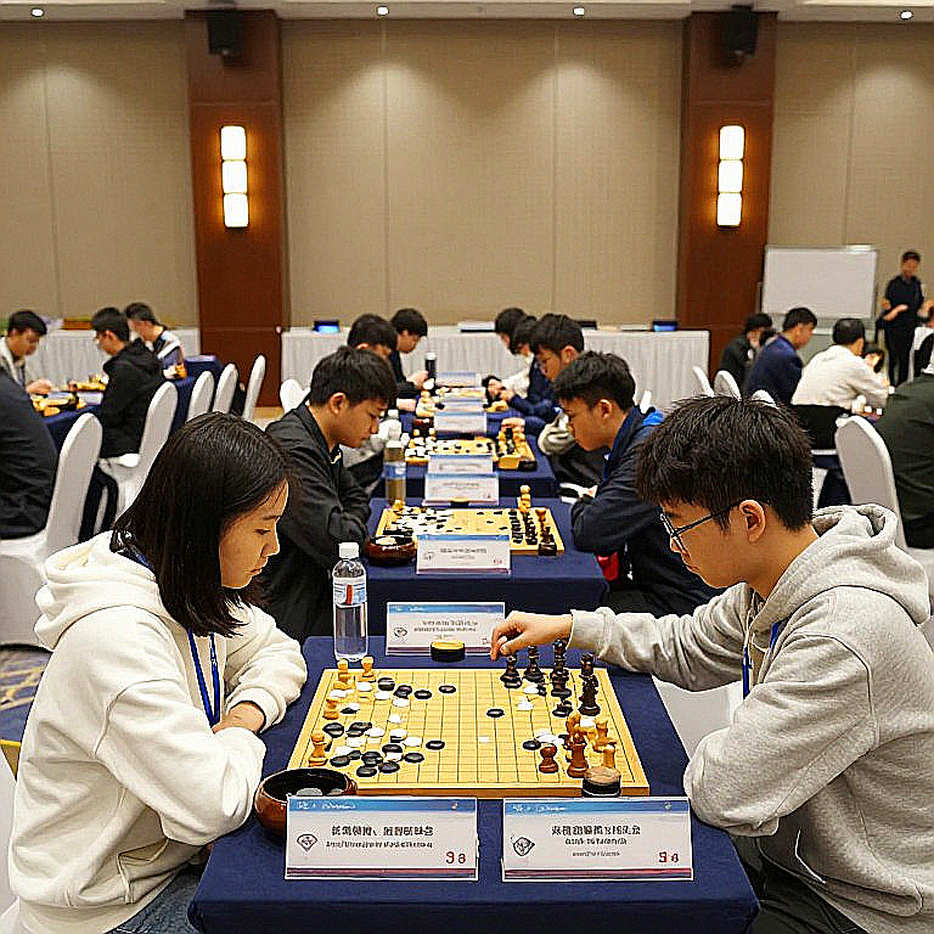
In the two previous rounds he had also played Black. One draw, one win.
That is the entire body of technical data available.
Board order is a piece, not a ranking table
The Chess Olympiad is a team Swiss event, four boards plus a reserve. The board order is submitted by the captain and carries some rating constraints, but it leaves room for adjustment. In plain terms, it is a tactical instrument in the captain's hands.

India arrived as defending men's champion. In Budapest two years earlier the team lost exactly one game out of 44, a benchmark most federations can only dream about. But in the very first round of this event, Arjun Erigaisi lost. The whole team had to recalculate every board at once.
Gukesh drew in round two and won in round three, both with Black. At team level, a player taking Black twice in a row usually reflects the opponent's choice or the captain's intent rather than chance. His live rating had slipped below 2700.
What is actually happening on the board
Reading the description of the win closely, I recognised a pattern I have seen many times while sitting with a scorebook. He said he did nothing special, that his opponent was a bit too creative and he simply took over. That is the language of a conversion win: absorb pressure with Black, let the opponent overreach, then collect what remains. For a player who won the world title at 18, that route is far cheaper than preparing an opening trap and unveiling it on camera.
The problem lies elsewhere.
Board order does not measure strength; it measures matchups. Putting the world champion on board four means that every round he meets a markedly lighter group of opponents than board one or board two would offer. That lowers the technical difficulty of his games and inflates the impression of form. A single win over Brunello says nothing about whether Gukesh is back. The sample is too small to conclude in either direction.
The more telling signal sits in the squad structure. Three names were placed above a world champion, including Praggnanandhaa, Arjun Erigaisi and Nihal Sarin, creating an internal competitive density no other federation currently matches. That is the product of an entire training system, not of one lone star. On the women's boards India is winning in sequence as well: Koneru Humpy won on board one, alongside Vantika Agrawal, Divya Deshmukh and Savitha Shri.
He said no individual is bigger than the country. With a squad that deep, that line is far easier to say than when you are the only person carrying the team.
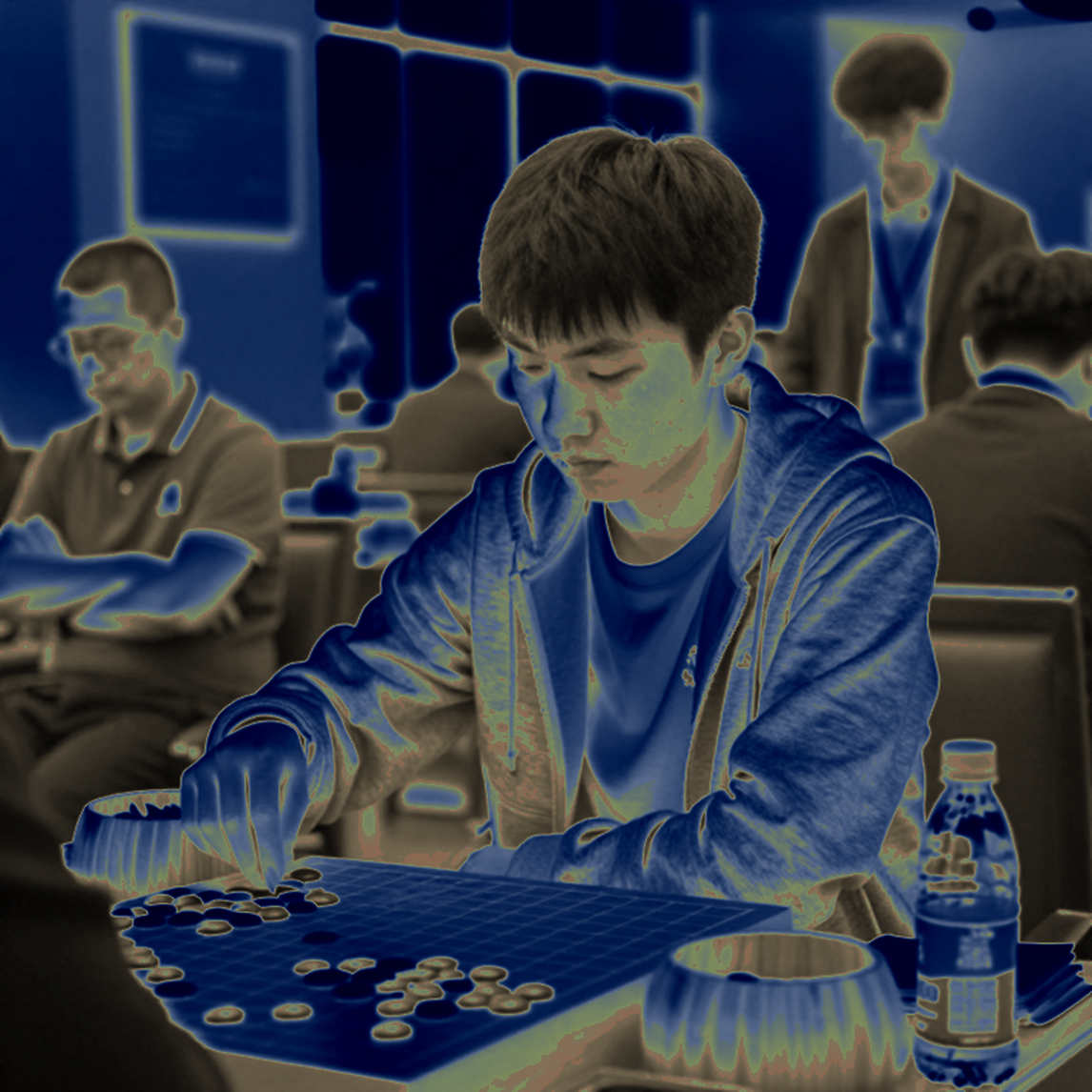
A transfer market behaves like a king-and-pawn endgame: whoever reads roles first breathes easy. The same applies here. Whoever reads the role of each board before the event begins no longer has to call a board order a shock.
The contrarian angle: the real shock is somewhere else
The headline calls this a shock. To call it a shock you need data proving that board order reflects true strength, and the report does not offer a single rating figure strong enough to do that work.
The description of a 19-month slump, placed next to the status of reigning world champion, is an unresolved contradiction. There is no performance rating, no average centipawn loss, no event list. That is editorial framing, not measured data. Live ratings swing violently inside a single tournament; they are a psychological indicator more than a professional diagnosis.
The most notable detail in the whole story is buried at the end: the Indian delegation waited six hours for its rooms after arriving in Samarkand. The first-round loss followed immediately. This is a host-organisation capacity issue, a signal that has already materialised rather than a speculation.
I once loaded the wrong SHB Da Nang tape, and I learned from it that football does not forgive carelessness. Chess is no different: every small error leaves a readable trace, including the errors that never happen on the board.
What to verify in later rounds
This story will be rewritten according to the team's result. If India keeps gold, it becomes a legend about a champion who stepped aside. If India loses gold, the same decision will be called a symptom of loose management. A tape that is wrong at the start is the most expensive lesson of all: the eye always needs verification.
My judgment: track Gukesh's classical rating across the next 10 to 15 slow games, instead of reading a live number that moves every day. And when a defending champion loses the opening round after a six-hour wait for rooms, the question for the Samarkand organisers is bigger than the question for Gukesh.